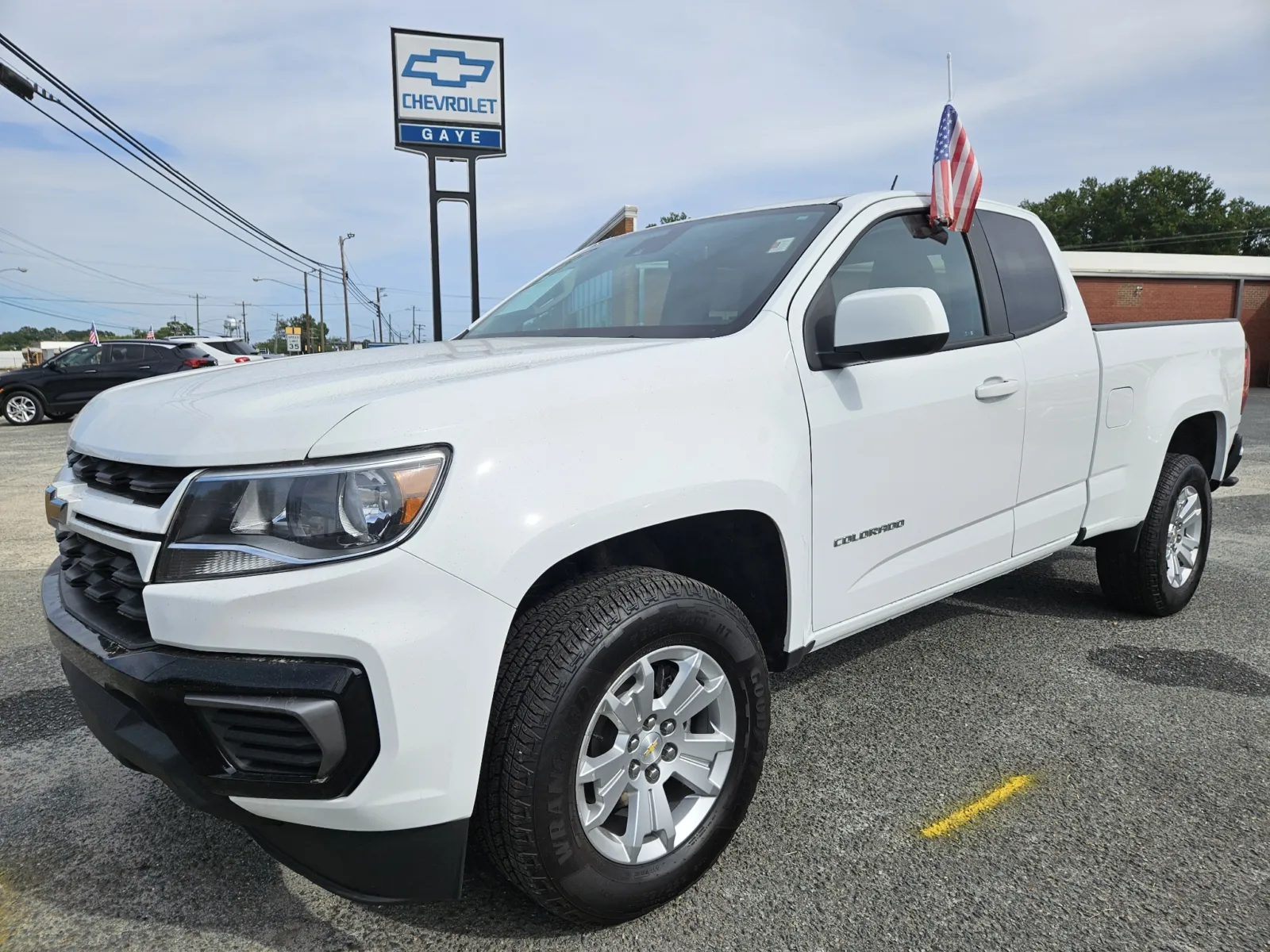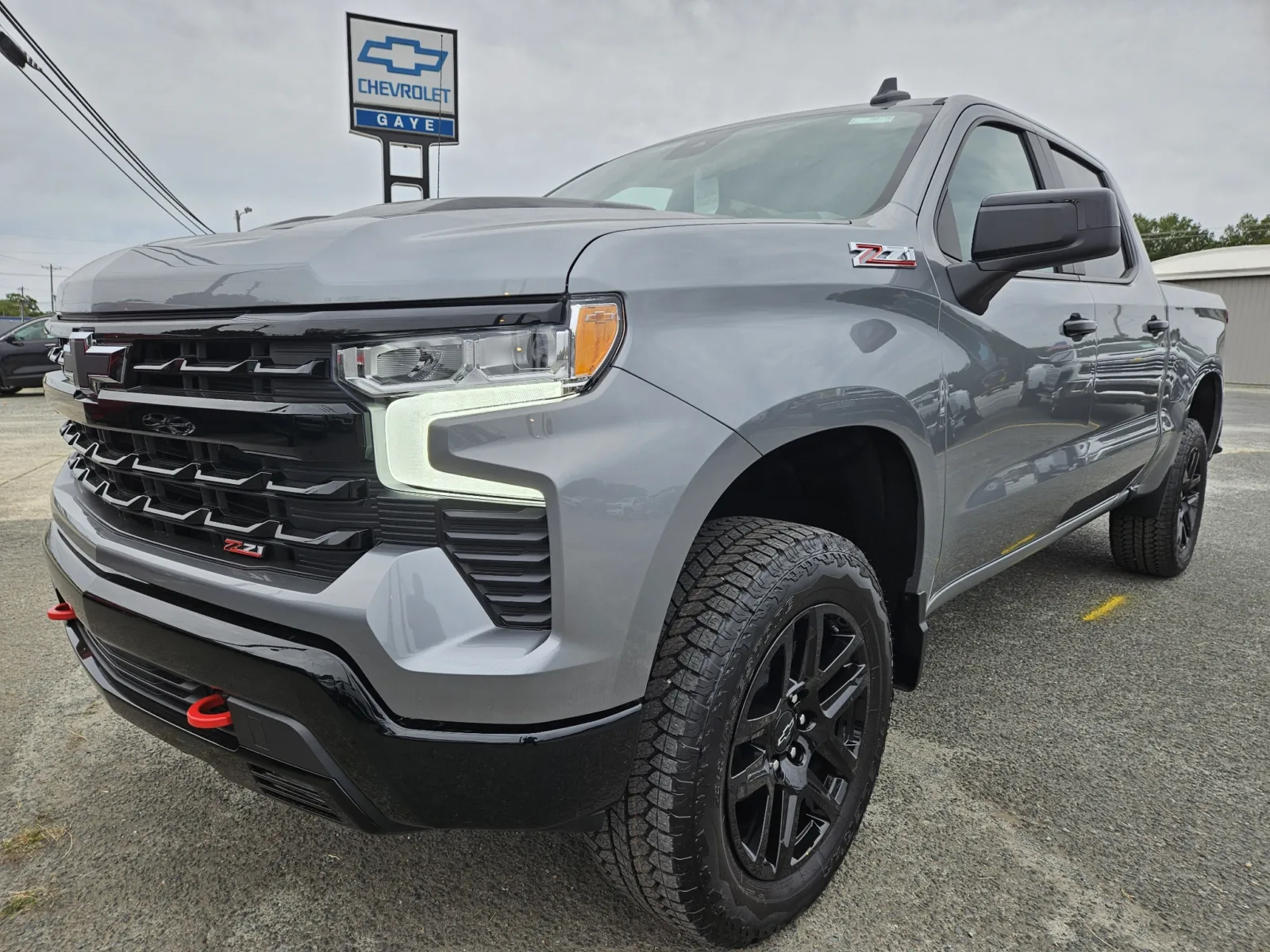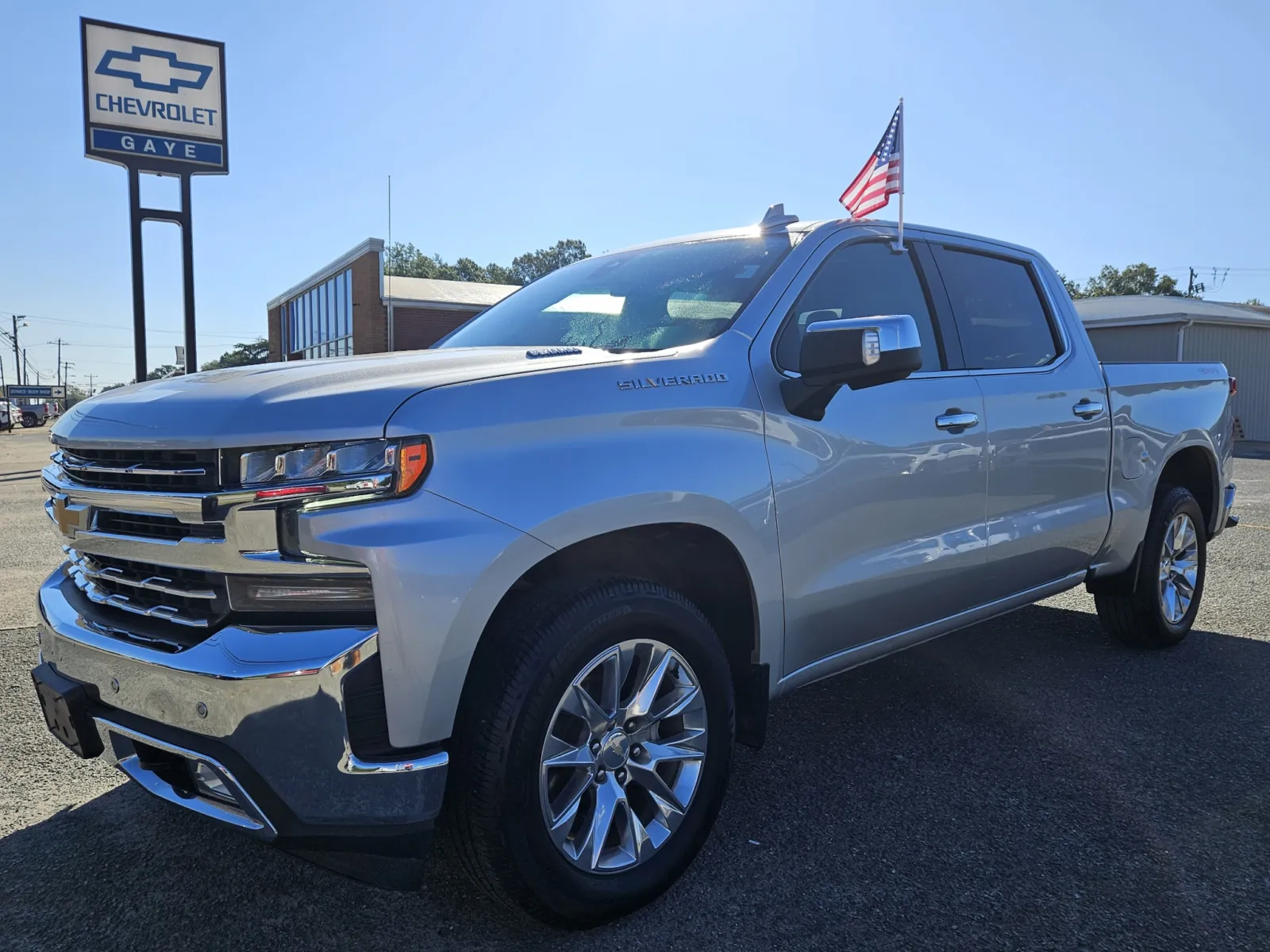
The Chevrolet Colorado and Silverado can both make sense, but they suit different needs. The Colorado is Chevrolet’s midsize pickup. The Silverado 1500 is a full-size truck, with more room and a broader range of configurations to consider.
For this comparison, we’re focusing on used Colorado and Silverado 1500 models. Silverado HD and commercial trucks are separate choices with different capabilities and ownership considerations.
Which Truck Fits Your Everyday Driving?
Think through a normal week before thinking about the biggest job you might do once a year.
If you drive between Marshville and Monroe, park in busy lots, and use the bed mainly for supplies or weekend projects, the Colorado’s smaller footprint deserves a look. It can be a practical middle ground for someone who wants a pickup without stepping into a full-size truck.
If your day includes several passengers, bulky gear, or frequent trailer use around Wingate and Wadesboro, put a Silverado 1500 on your shortlist, too. The additional space may be useful every day rather than just occasionally.
Drive both on a route that resembles your routine. With dealership permission, include ordinary parking maneuvers and a highway stretch when conditions allow. Stay on safe roads and follow posted limits. Notice visibility, steering effort, ride comfort, and how easily you get in and out.
Where a Used Colorado Makes Sense
A used Colorado is worth considering when most of your driving happens without a trailer attached. Its size can be easier to live with in a garage, a narrow driveway, or a crowded parking lot.
It can also suit a homeowner carrying gardening supplies or a tradesperson whose typical load fits within the truck’s verified limits. Bring measurements for your longest tools or equipment rather than assuming the bed will work.
Used Colorados span different generations, so don’t expect identical engines, cab layouts, technology, or driving manners. A model that looks right online still needs an in-person check.
Where a Used Silverado 1500 Makes Sense
The Silverado 1500 is worth a closer look if cabin room, cargo flexibility, and regular towing are priorities. A crew cab may be particularly appealing when coworkers or family members ride along, but try the actual back seat.
Full-size dimensions come with trade-offs. Measure your garage, check your usual parking space, and consider whether a longer truck will be inconvenient during the week.
Also check the model designation carefully while shopping. Silverado listings may include 1500, HD, and commercial models. They aren’t interchangeable, and a heavier-duty truck isn’t automatically the best daily driver for your needs.
Towing and Payload: Check the Truck, Not the Headline
A model’s advertised maximum towing figure doesn’t tell you what every used example can pull. Ratings depend on the model year and configuration, including equipment such as the engine, drivetrain, axle ratio, and towing package.
Start with your trailer’s expected loaded weight, including equipment, water, and supplies where applicable. Then verify the truck’s configuration and limits using its VIN, vehicle labels, owner’s manual, and the appropriate model-year Chevrolet trailering guide. A hitch receiver alone doesn’t establish towing capacity.
Payload needs a separate check. Passengers, tools, bed cargo, added equipment, and trailer tongue weight all use available payload. A trailer can be within a truck’s towing rating while the loaded truck exceeds another limit.
Review the relevant vehicle, axle, hitch, and combined-weight limits rather than relying on one number. If towing is central to your purchase, bring your trailer details so the comparison starts with the job you actually need the truck to do.
Compare the Cab, Bed, and Drivetrain
A good truck match depends on more than midsize versus full-size.
Check rear-seat access with the people who will use it. If you carry child seats, confirm their fit in the specific cab. Measure the bed and consider how toolboxes or bed covers will affect usable space.
Compare two-wheel drive and four-wheel drive based on where you travel. Four-wheel drive may be useful on loose surfaces or uneven job-site access, but it brings additional components to inspect and maintain. It doesn’t increase a truck’s rated payload or towing capacity by itself.
Check wheel and tire size, too. Replacement costs, tire condition, and ride quality can change the ownership picture, especially on a modified truck.
Look Beyond Price and Mileage
Between two used trucks, condition can be more important than trim level. Review available service records and vehicle history, and ask about previous use.
With the dealer’s permission, arrange an independent pre-purchase inspection to help assess brakes, tires, suspension, leaks, corrosion, and signs of damage or heavy use. Ask the inspector to review aftermarket modifications as well. A history report is useful, but it doesn’t replace examining the truck.
Build a total budget that includes the purchase price, taxes and fees, insurance, fuel, maintenance, and likely near-term repairs. Don’t assume every Colorado costs less to run than every Silverado. Compare the actual model years, powertrains, condition, and your driving habits.
Compare Used Chevrolet Trucks at Gaye Chevrolet
Start with our used Chevrolet Colorado inventory and used Chevrolet Silverado inventory. Check each listing’s model designation, since Silverado results may include HD and commercial trucks alongside Silverado 1500 models.
When you visit Gaye Chevrolet in Marshville, bring your passenger needs, cargo measurements, trailer details, and budget. Those specifics make it easier to compare available trucks and choose one that fits your week.
Frequently Asked Questions
Is a used Colorado or Silverado better for commuting?
The Colorado’s smaller size may be easier to manage in parking lots and tight spaces. A Silverado 1500 may suit drivers who prioritize cabin room. Test-drive both and compare fuel costs for the specific trucks.
Can a used Colorado tow a trailer?
Yes, within the specific truck’s limits and with the appropriate equipment. Verify its configuration and compare the trailer’s loaded weight and tongue weight with all applicable ratings before buying.
Does every Silverado have the same towing capacity?
No. Capacity varies by model, year, configuration, and equipment. Silverado 1500, HD, and commercial trucks are different categories, so a rating quoted for one may not apply to another.
Is four-wheel drive necessary for a used truck?
That depends on your routes and working conditions. Compare the benefit for loose surfaces or job-site access against purchase and maintenance costs. Tire condition and suitability matter regardless of drivetrain.
Should I choose lower mileage or better service history?
Consider both, along with age, condition, and previous use. Mileage alone won’t show whether maintenance was performed or repairs are coming due. Records and a pre-purchase inspection help fill in those gaps.
What should I bring when shopping for a used truck?
Bring your budget, passenger requirements, garage and cargo measurements, and trailer information if you tow. That makes it easier to evaluate cab space, bed fit, and capability without guessing.