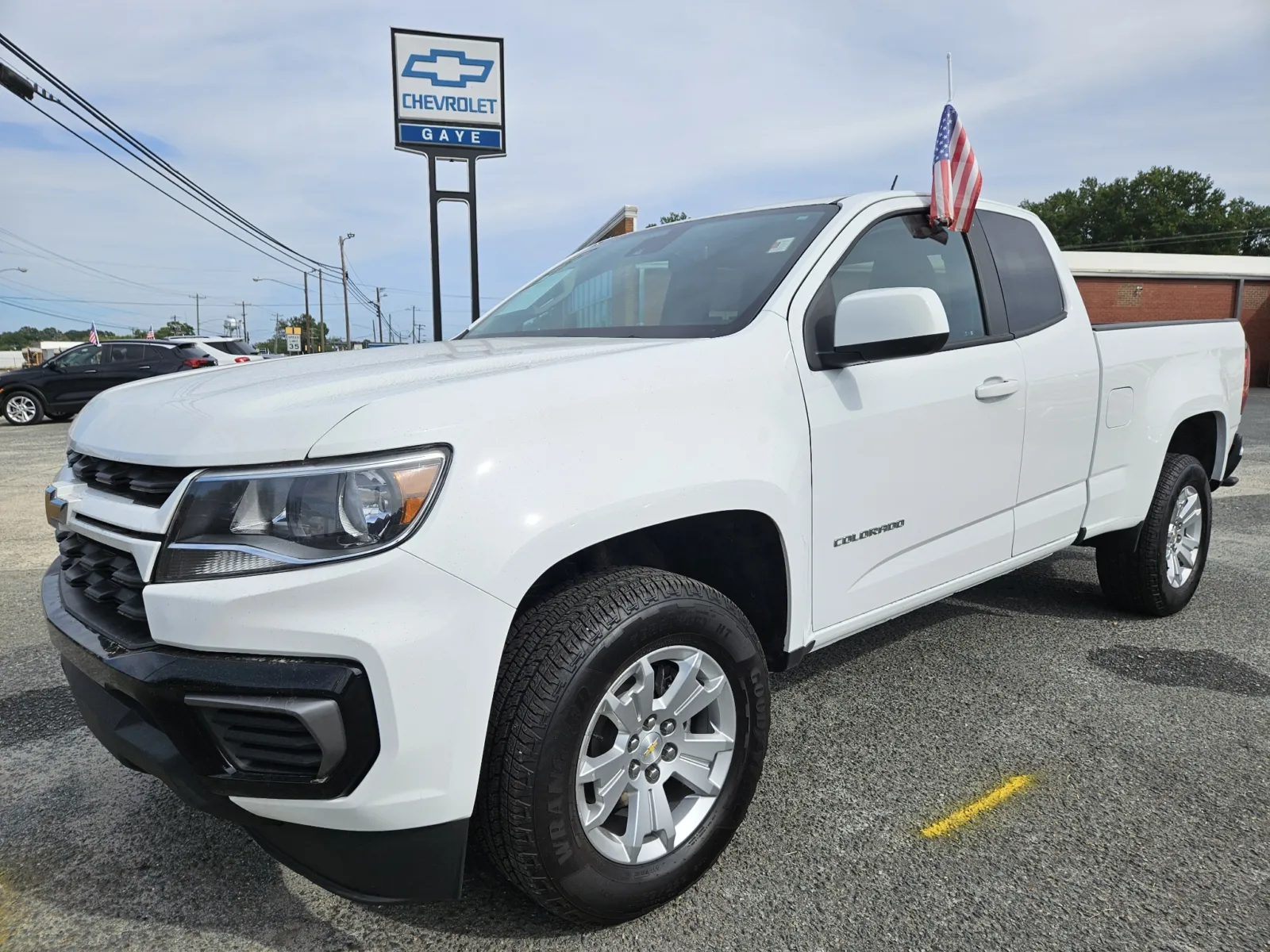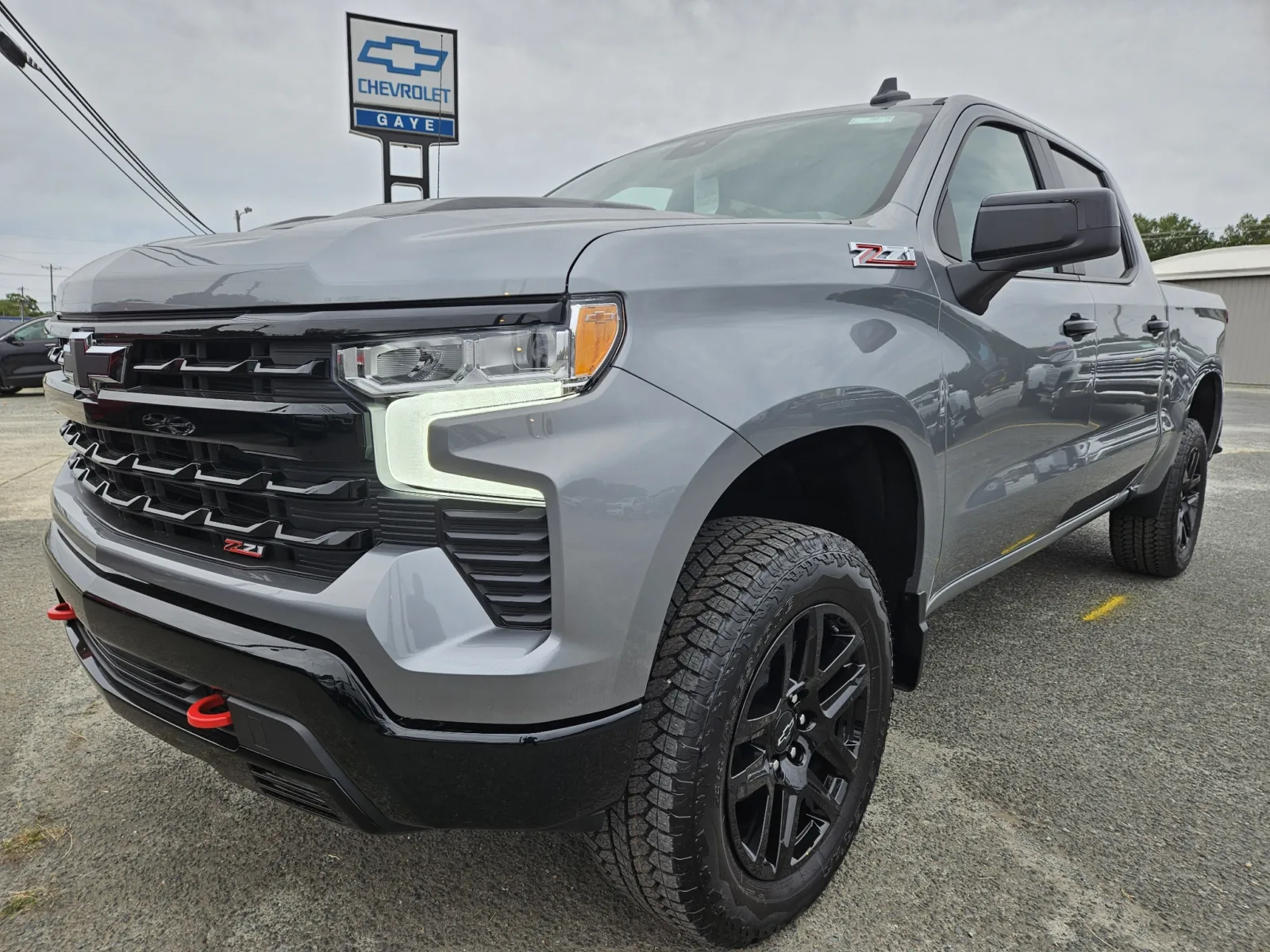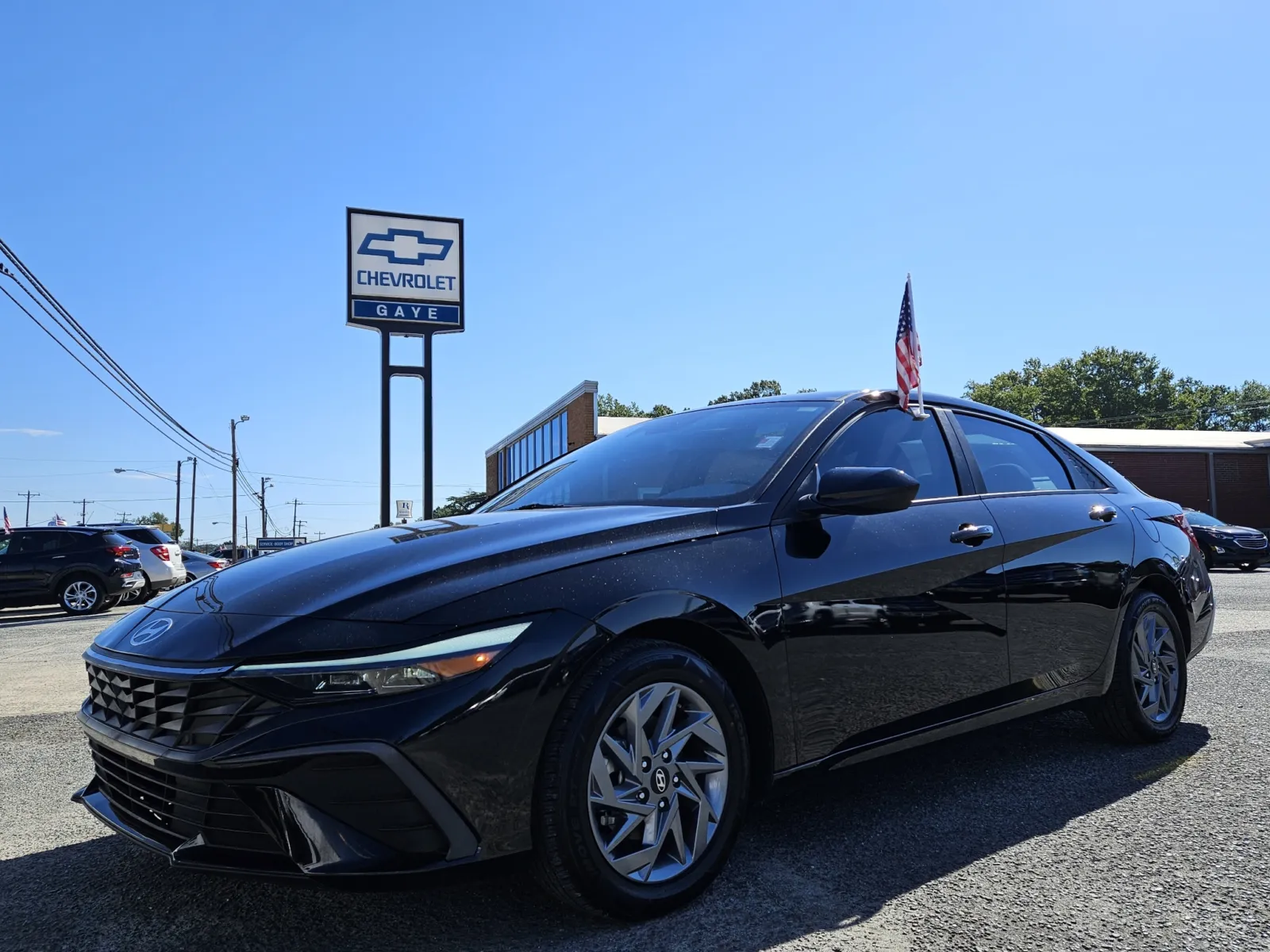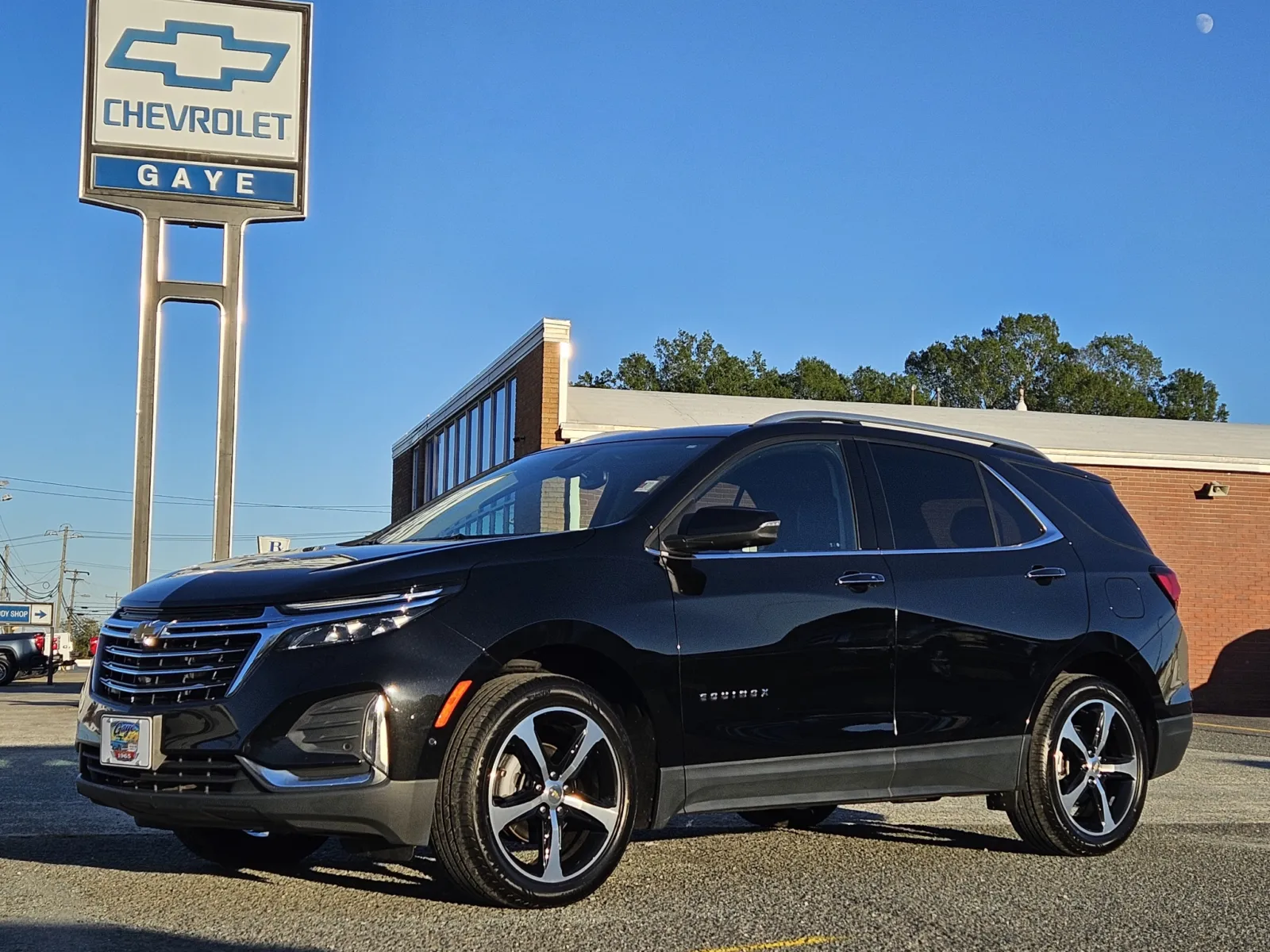
Make a short list and bring the right things
Start with Gaye Chevrolet’s used inventory and save the vehicles that fit your passenger, cargo, and parking needs. Confirm availability and ask what you need to bring for a test drive.
- Bring your driver’s license, glasses if needed, a phone for notes, and a small flashlight.
- Arrange a daylight visit when possible so paint, glass, and tire condition are easier to see.
- Ask about a route with local streets and, when permitted, a highway segment. Include hills if they are part of your routine.
Match the records to the actual vehicle
Compare the VIN on the vehicle with the listing and available paperwork. Review mileage entries, ownership history, reported damage, title information, and maintenance records. Ask about gaps or inconsistencies instead of assuming a missing entry means nothing happened.
Look up the VIN using NHTSA’s recall search and ask about any unresolved recall. A result showing no open recalls is not a complete safety assessment; the tool has limitations, including some recently announced recalls.
A history report is useful, but it cannot establish the vehicle’s current mechanical condition. The FTC’s used-car buying guide explains why an independent inspection matters even when a history report is available.
Look closely before getting in
Body, glass, and tires
Walk around the vehicle on level ground. Note dents, rust, mismatched paint, cracked glass, and uneven panel gaps. Look for tire cuts, bulges, and uneven wear. Ask about tire age and replacement needs rather than judging remaining life from appearance alone.
Leaks and moisture
Look at the ground beneath the parked vehicle without crawling underneath. Note stains or drips for a mechanic to evaluate. Check accessible carpet and cargo areas for dampness, unusual odors, or water marks. These observations warrant questions, not an automatic diagnosis.
Look at the details you will use every day, too. Check that exterior lights and mirrors are intact, doors open easily, and the cargo opening suits your gear. Ask about missing keys or accessories so replacements do not become a surprise expense.
Have staff demonstrate the hood, doors, and liftgate. Keep hands away from moving or hot components, and never open a hot cooling system.
Make sure the cabin works for you
Adjust the seat, steering wheel, and mirrors before moving. Check headroom, pedal reach, visibility, and rear-seat access. Try your usual cargo or child-seat fit with permission while parked.
- Test windows, locks, seat adjustments, lights, wipers, heating, and air conditioning.
- Check seat belts for visible damage and proper latching.
- Review dashboard messages after startup; ask about warning lights that remain on.
- Try audio and phone connectivity while stationary. Remove any paired phone and saved contacts afterward.
Learn the basic controls before leaving. Do not experiment with unfamiliar assistance features in traffic. If a feature matters to your purchase, have staff demonstrate it and confirm that this specific vehicle includes it; a model name or trim badge alone is not your checklist.
Drive normally and listen carefully
Agree on the route with dealership staff, buckle up, and follow posted limits. Keep the audio low initially. A passenger can take notes so you can focus on driving.
- Acceleration and shifting: Use normal, gradual inputs. Note hesitation, harsh shifts, or unexpected vibration.
- Steering: Keep both hands in control. Notice unusual pulling or vibration without letting go of the wheel.
- Braking: Slow progressively with plenty of following distance. Note pulling, grinding, or persistent pulsation. Do not stage an emergency stop.
- Ride and visibility: Notice wind noise, rattles, sightlines, and comfort on ordinary road surfaces. Avoid potholes rather than using them as a test.
Try parking and reversing in a safe, permitted area, checking your surroundings directly as well as any displays. If the vehicle feels unsafe or a serious warning appears, pull over safely and contact dealership staff.
Turn observations into an inspection plan
Separate cosmetic preferences from concerns that need professional attention. A scratched trim panel may affect how you feel about the car; a recurring noise or warning deserves a clear explanation before you decide. Keep unresolved questions together rather than relying on memory.
Park safely and write down what you noticed: the sound, approximate speed, road conditions, and whether it happened more than once. Ask for explanations and supporting records. “It made a grinding sound while slowing” is more useful than guessing which part needs replacing.
Before committing, request an inspection by an independent mechanic with the dealer’s permission. Agree on transportation or an on-site visit, scheduling, and cost beforehand. Ask the mechanic to assess the vehicle’s condition and provide a written report with repair estimates. For an electrified vehicle, ask whether the shop can evaluate its specific battery and charging systems.
Keep the full cost in view
Review the vehicle’s Buyers Guide, any written warranty terms, and an itemized out-the-door quote. Clarify taxes, fees, optional products, and any promised repairs. The vehicles-under-$25,000 page can help narrow your search, but a listed vehicle price is not the same as the final purchase total.
Used-car test-drive FAQs
How long should a used-car test drive last?
Allow enough time for parked checks and a representative route. Ask about the dealership’s arrangements beforehand. If the drive leaves important questions unanswered, request more time or another visit.
Does a clean history report mean the car has no problems?
No. A report can contain useful records without capturing every event or current mechanical issue. Combine it with your observations, maintenance records, and an independent inspection.
Can I have my own mechanic inspect a used car?
Ask the dealer before arranging it. Confirm whether an off-site appointment or mobile inspection is permitted, who will transport the vehicle, and who pays. Do not assume access is automatic.
What should I do if I notice a warning light?
Ask staff to identify it before setting off. If a serious warning appears while driving, stop somewhere safe and contact staff. Request a documented explanation rather than assuming the light is harmless.
What matters on a North Carolina test drive?
Choose conditions that resemble your routine, whether that means neighborhood streets, highway commuting, or hills. Check comfort and visibility, but never seek out bad weather or unsafe roads for testing.
Should I compare more than one vehicle?
If possible, use the same checklist on each candidate. Compare condition, comfort, documented maintenance, inspection findings, and total cost rather than relying only on mileage or the advertised price.
Find a vehicle worth a closer look
Browse Gaye Chevrolet’s available used vehicles, save your favorites, and bring this checklist to your visit. Confirm availability before making the trip.