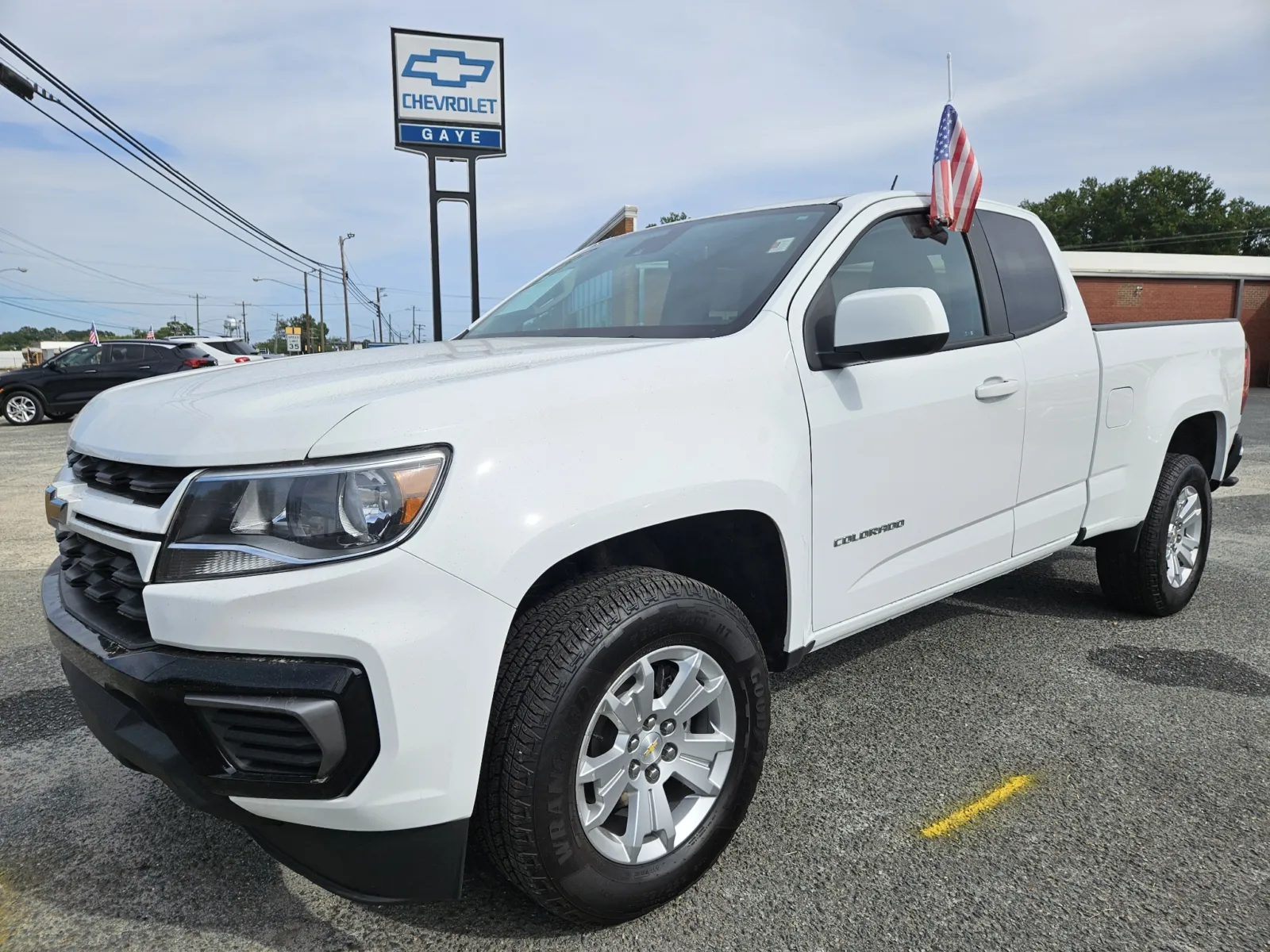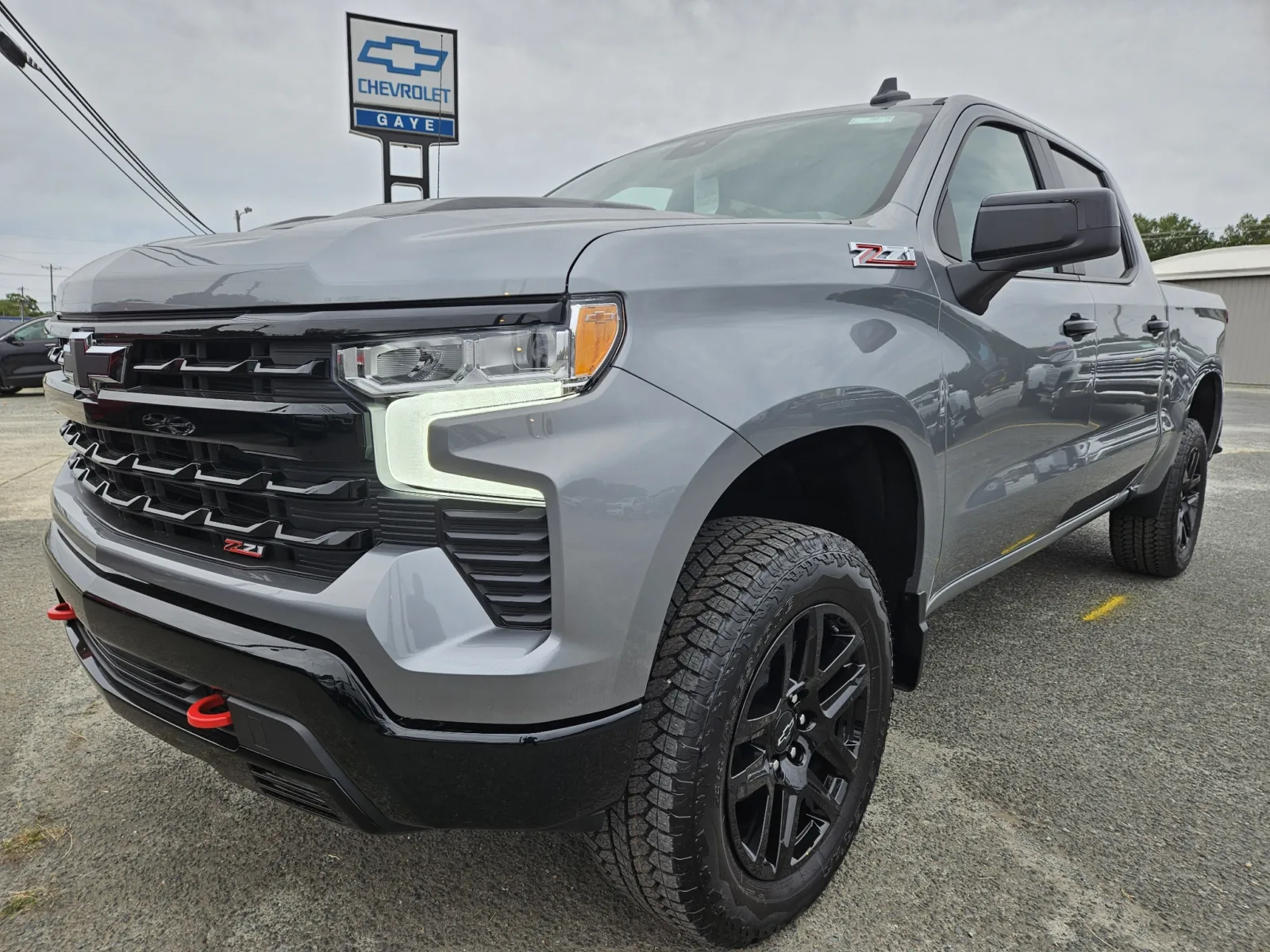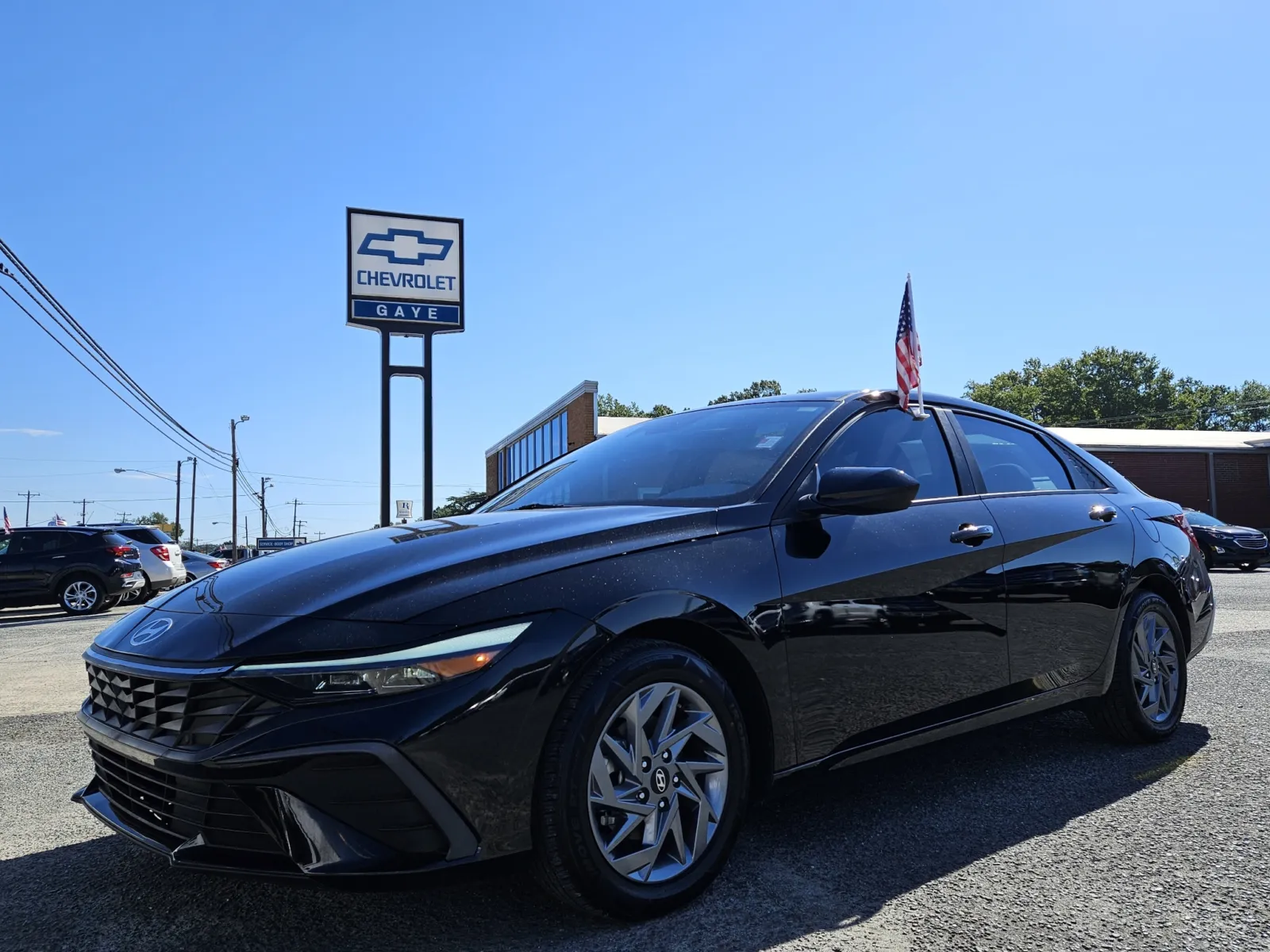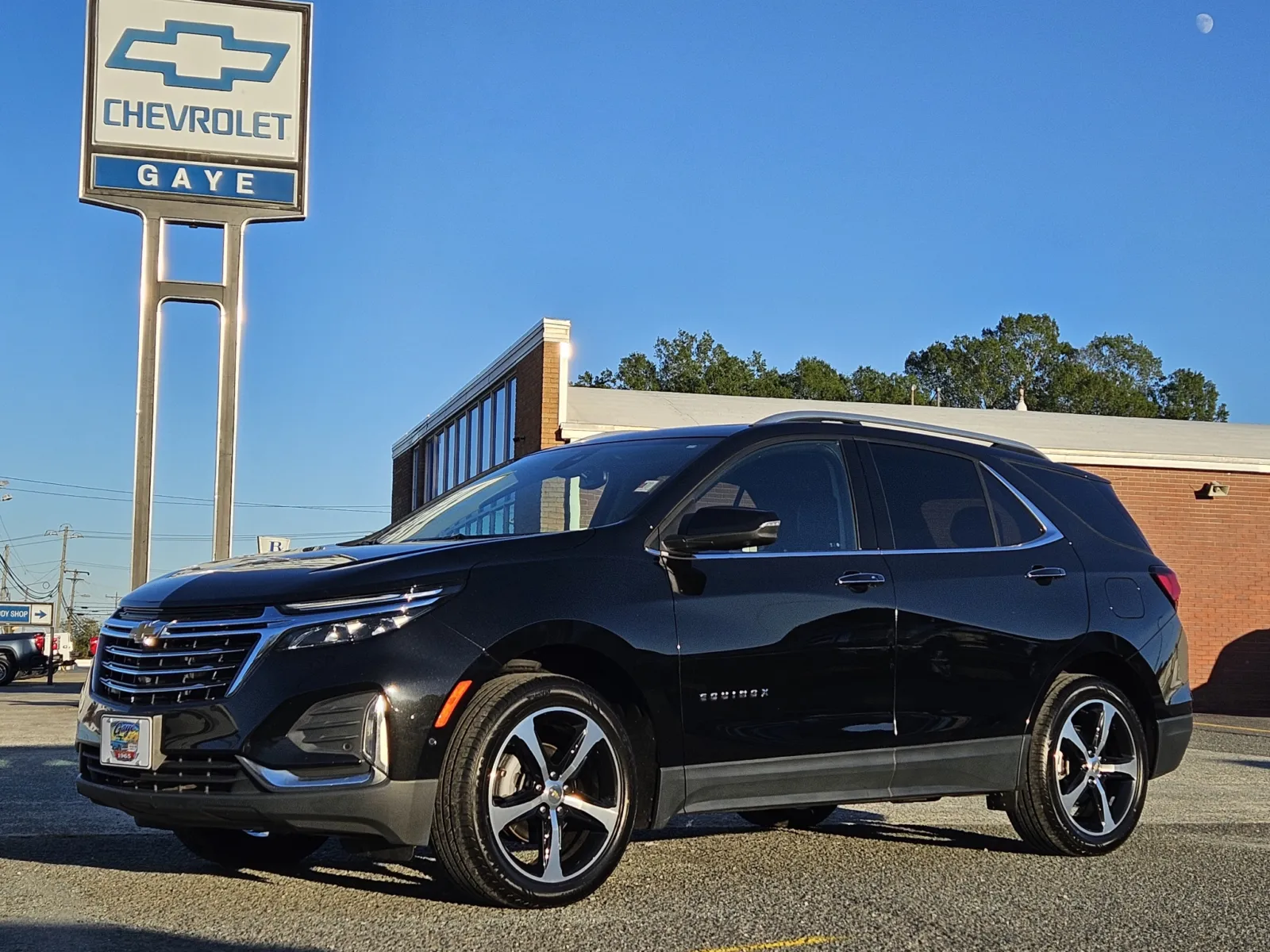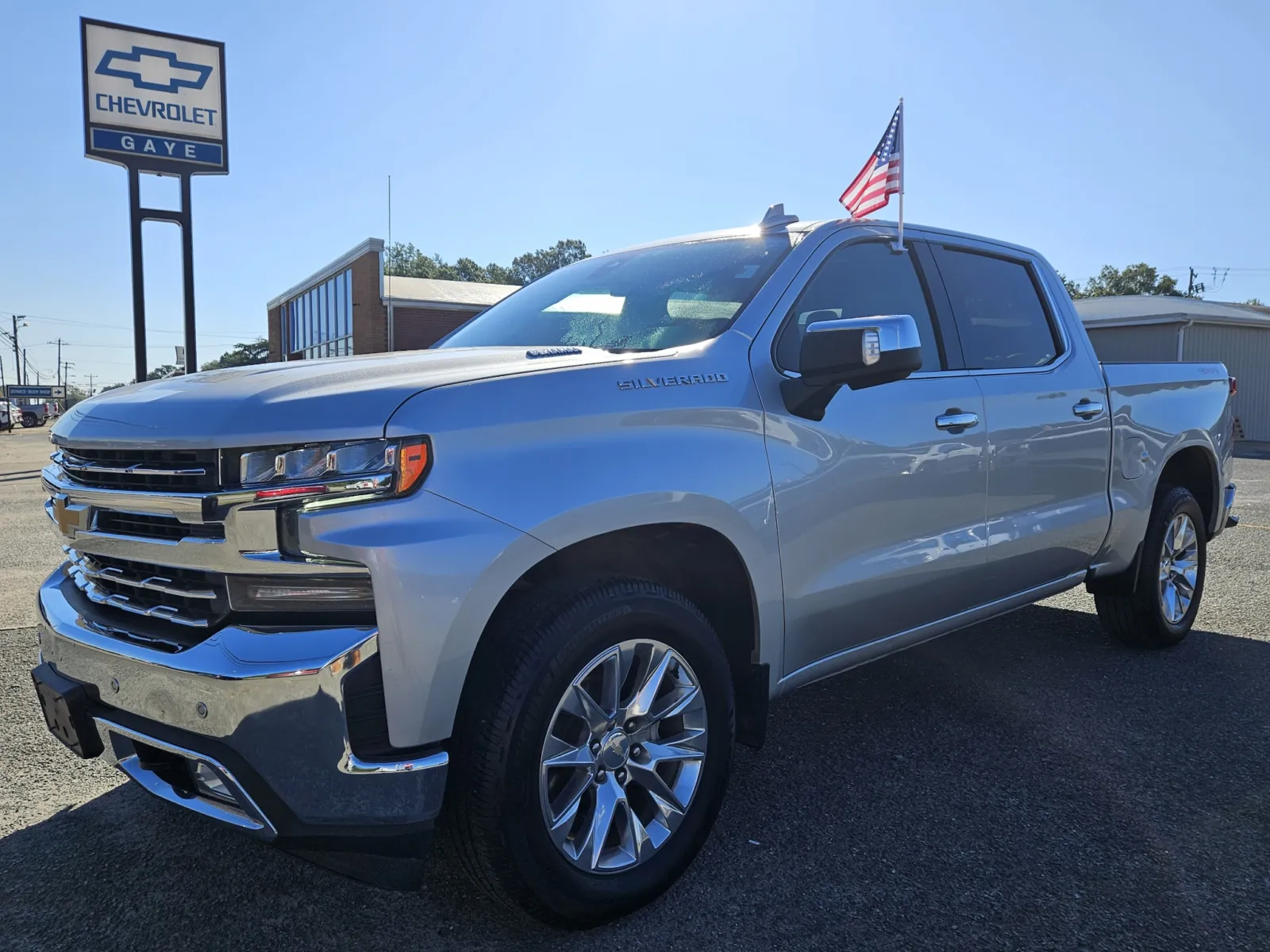
Age and mileage help you narrow a search, but neither tells you the whole ownership story. For drivers around Marshville, Monroe, and Wingate, the better choice depends on service records, previous use, inspection findings, and the driving you plan to do next.
What Mileage Can Tell You
Mileage shows how far a vehicle has traveled. It gives you a useful starting point for reviewing its maintenance schedule and asking which wear items have already been replaced. It cannot tell you whether those services were done well or on time.
Ask what the miles involved. A regular highway commute, frequent short errands, delivery work, and towing are different use patterns. Be cautious with a claim like “mostly highway miles” unless there is information to support it. Even a familiar route does not establish how carefully a vehicle was driven or maintained.
There is no universal mileage cutoff that makes every used vehicle a good buy or a bad one. Compare the specific model, powertrain, service history, and inspection findings rather than treating an odometer milestone as a verdict.
What Age Adds to the Picture
An older vehicle with low mileage can be worth considering, but time still matters. Ask an inspector to look for aging tires, deteriorated rubber components, corrosion, leaks, and other condition concerns. A clean interior and shiny paint do not answer those questions.
Find out whether the vehicle was driven regularly or sat unused for extended periods. Ask where it was stored and whether maintenance continued while it was driven less. Low annual mileage can mean occasional, well-cared-for use, or it can leave gaps you need to investigate.
Review the manufacturer's schedule for the exact model and powertrain. Some maintenance requirements depend on elapsed time as well as mileage. Use the owner's manual and relevant maintenance guidance instead of assuming a lightly driven vehicle has nothing coming due.
Give Service Records More Weight Than Reassurance
“Well maintained” is a helpful conversation starter. Dated records showing what was done, at what mileage, and on which vehicle are more useful. Look for a service pattern that makes sense against the manufacturer's recommendations.
Ask about oil changes where applicable, fluid services, brake work, tire replacement, and any major repairs. Check whether documented work applies to the vehicle's VIN. A recent oil change alone does not establish the condition of the rest of the vehicle.
Missing paperwork does not prove neglect, but it does leave uncertainty. Write down the unanswered questions and discuss them with the inspector rather than filling in the gaps yourself.
A Newer Car With More Miles vs. an Older Car With Fewer
Here is an illustrative comparison, not a description of vehicles currently for sale: a four-year-old sedan with 80,000 miles and an eight-year-old sedan with 40,000 miles. Assume both fit your space and equipment needs.
The newer sedan has detailed service records and was used for a long commute. The older sedan has fewer records and spent extended periods parked. Those facts give you reasons to investigate both cars differently; they do not establish a winner.
An inspection might identify upcoming wear-item replacements on the newer car or age-related concerns on the older one. Either car could turn out to be the better fit. Compare the documented findings, asking prices, and work needed instead of awarding the decision to the lower odometer reading.
Check the Vehicle Beyond Its History Report
Review the available vehicle history report for recorded ownership, mileage, and damage information. Treat it as one source of information, not a complete account of every repair or problem.
With the seller's permission, arrange an independent pre-purchase inspection. The FTC's used-car buying guide explains why a history report does not replace a mechanical inspection. Ask for written findings and estimates for any recommended work.
Use the VIN to check for unrepaired safety recalls through NHTSA, and discuss any results with the seller. Read the lookup's limitations; it does not show every recall category or recently announced recall. A clear result is not a mechanical assessment.
On an authorized test drive, notice comfort, visibility, braking feel, and unusual sounds. Follow traffic rules and bring concerns back to the inspector rather than trying risky tests yourself.
Choose for Your Next Few Years
Think about how much you expect to drive and how you will use the vehicle. A daily commute, occasional errands, and family road trips can lead to different priorities for comfort, cargo room, and operating costs.
Compare the full purchase price, taxes and fees, insurance, fuel or charging, routine maintenance, and likely near-term repairs. Leave room for unexpected work rather than spending the entire budget on the purchase.
Ask which services are approaching based on both time and mileage. A lower asking price may be less appealing once you account for documented needs. Likewise, paying more for fewer miles only makes sense if the overall vehicle and budget fit.
Compare Used Vehicles at Gaye Chevrolet
Explore our used-vehicle inventory and shortlist vehicles that fit your daily needs. When you visit Gaye Chevrolet in Marshville, bring your budget, expected driving, and questions about the available history. Compare the actual vehicles before deciding which age-and-mileage combination works for you.
Frequently Asked Questions
Is mileage or age more important when buying used?
Neither should decide the purchase alone. Condition, documented maintenance, previous use, and an independent inspection help you understand what the age and mileage mean for that specific vehicle.
Is an older car with low mileage always better?
No. It may be a good candidate, but check storage history, time-based maintenance, and age-related wear. Fewer miles do not establish that tires, rubber components, or other systems are in good condition.
How many miles are too many for a used car?
There is no single limit that applies to every vehicle. Evaluate the model, maintenance history, current condition, and likely upcoming work alongside your intended use and budget.
Are highway miles better than city miles?
Driving patterns are useful context, but a highway-mileage claim is not proof of condition. Ask for supporting history and consider maintenance, loads carried, and inspection findings before drawing conclusions.
What if the service records are incomplete?
Ask for whatever documentation is available, compare it with the manufacturer's schedule, and discuss gaps with an independent inspector. Decide whether the remaining uncertainty fits your budget and comfort level.
Should a low-mileage car still get an inspection?
Yes. With the seller's permission, have an independent mechanic assess its current condition. Low mileage does not rule out damage, neglected maintenance, or age-related issues.